

William Wordsworth – Preface to Lyrical Ballads
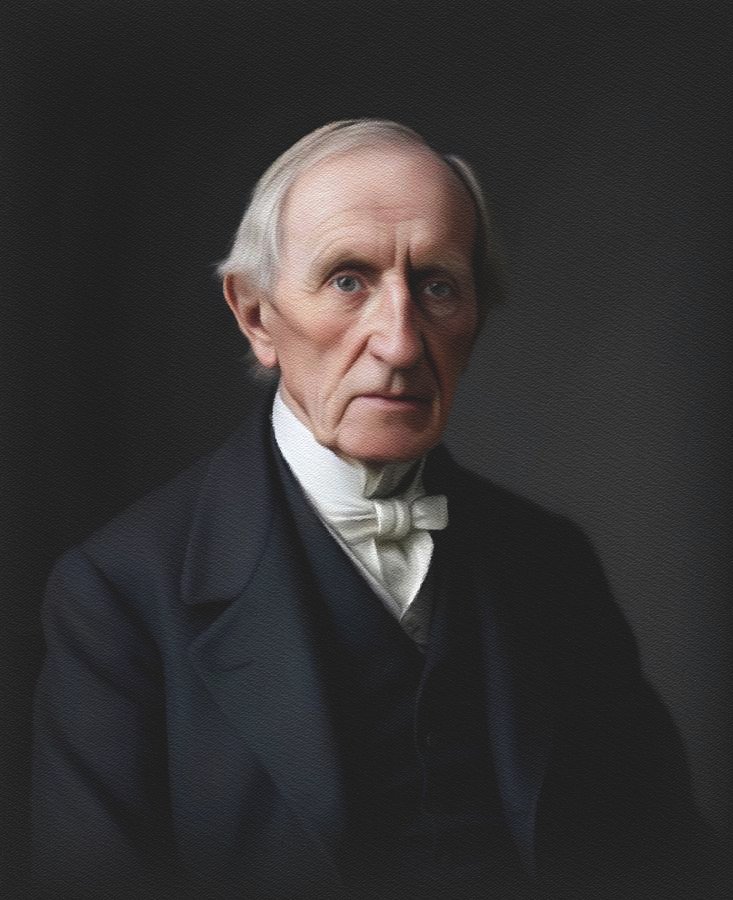
William Wordsworth’s Preface to Lyrical Ballads is a landmark in English literature and an essential text for NET, GATE, and College TRB aspirants. Moreover, Elite Academy provides simplified explanations, examples, and structured notes to help students understand Wordsworth’s poetic philosophy. In this article, we explore the preface in detail, highlight key concepts, provide examples from poems, and explain its relevance for competitive exams.
Introduction to Lyrical Ballads
- Lyrical Ballads, first published in 1798, was co-authored by William Wordsworth and Samuel Taylor Coleridge.
- Consequently, this collection is considered the beginning of the English Romantic Movement, emphasizing emotion, imagination, and the beauty of nature.
- Wordsworth added the Preface in the 1800 edition to explain his poetic philosophy and justify why his poetry differed from classical conventions.
- In addition, the preface serves as a literary manifesto, influencing generations of poets and literary scholars.
Internal Link Example: For more insights on English Romanticism, check out Elite Academy’s detailed study materials.
Purpose of the Preface
Wordsworth’s Preface serves several purposes. Firstly, it explains the nature of poetry: poetry should be an expression of genuine emotion, rather than just a display of clever words. Secondly, it justifies the use of simple language, making poetry accessible to ordinary people. Thirdly, it promotes imagination over strict reasoning, arguing that poetry should focus on human experiences and emotional depth.
For example, in the poem We Are Seven, Wordsworth illustrates the natural emotions of children experiencing loss. Thus, simplicity allows readers to connect directly with the poem.
External Link Example: Read the original text at Project Gutenberg.
Wordsworth’s Poetic Philosophy
1. Emotion as the Basis of Poetry
- Wordsworth defines poetry as “the spontaneous overflow of powerful feelings.”
- Therefore, emotions form the essence of poetry, as genuine feelings engage the reader.
- For instance, in Tintern Abbey, Wordsworth expresses how nature evokes calmness, reflection, and spiritual growth.
2. Subject Matter from Common Life
- Poetry should focus on ordinary life and common people, rather than aristocrats or mythical figures.
- Moreover, this approach makes poetry relatable and more engaging.
- Example: His poems often portray shepherds, villagers, and rural life.
3. Importance of Nature
- Nature is central to Wordsworth’s work; it is both inspiring and reflective of human emotions.
- Similarly, in Lines Composed a Few Miles Above Tintern Abbey, nature helps develop memory, reflection, and inner peace.
4. Role of Imagination
- Imagination transforms ordinary experiences into universal insights.
- For example, the poet observes simple events but presents them in a way that evokes deeper meaning.
Internal Link Example: Learn more about Wordsworth’s poems and their relevance in Romantic literature with Elite Academy’s study resources.
Transition to Romantic Principles
- Wordsworth’s Preface emphasizes freedom of expression, individuality, and emotion in poetry.
- However, it critiques the artificiality of 18th-century poetry, promoting simplicity and sincerity.
- Consequently, his approach encourages poets to write for human experience, not just literary tradition.
External Link Example: For more on Romantic literature, visit Britannica: Romanticism.
Wordsworth’s Guidelines for Poetry
- Use everyday language to reach readers directly.
- Focus on emotion and imagination, not rigid rules.
- Explore themes of nature, humanity, and simplicity.
- Avoid excessive ornamentation and artificiality.
For instance, The Idiot Boy uses simple language to tell a touching story of a mother and her son. Thus, it emphasizes human emotion over complex poetic devices.
Relevance for NET, GATE, and College TRB
- Understanding Wordsworth’s preface is essential for literary theory questions.
- Moreover, it helps students analyze Romanticism, poetic philosophy, and examples from poems.
- Simplified notes from Elite Academy allow students to quickly recall key points for exams.
- In addition, structured guidance prepares students for essay writing and short-answer questions.
Internal Link Example: Explore our NET/GATE English Literature resources for exam-focused guidance.
Elite Academy’s Approach to Teaching
Elite Academy makes Preface to Lyrical Ballads easy to understand by providing:
- Simplified notes with examples for better retention.
- Step-by-step explanations for each poetic principle.
- Exam-oriented guidance, covering NET, GATE, and College TRB syllabus.
- Interactive sessions to encourage discussion and clarify doubts.
Consequently, students gain both confidence and clarity while preparing for exams.
Key Takeaways
- Wordsworth’s preface focuses on emotion, imagination, and simplicity.
- Poetry should reflect common life and natural experiences.
- Nature serves as a source of inspiration and reflection.
- Elite Academy provides the best learning approach for exam preparation.
External Link Example: Read further analysis at Shmoop: Wordsworth’s Preface.
Conclusion
In conclusion, the Preface to Lyrical Ballads is not just a literary milestone; it also serves as a guide to understanding human emotion, poetic imagination, and simplicity. Therefore, mastering this preface is crucial for NET, GATE, and College TRB aspirants. With Elite Academy, students can efficiently learn, remember, and apply the key concepts with clear examples and structured guidance.
Interested in cracking NET, JET, PGTRB, College TRB, or UGTRB GATE?
Join our successful online coaching program with expert guidance and structured study materials.
Visit Us:- www.elitenetcoaching.com | https://eliteacademytn.com/#/courses?code=ELITEACADEMY
Contact Us:-https://englishnetcoaching.com/contact-us/
Contact:-
88386 21323, 98945 03580