 Elite Academy EnglishENGLISH NET COACHING
<!-- imported-wordpress-article --> Master Arnold – The Study of Poetry with Elite Academy. Get clear notes, exam guidance, and tips for NET, GATE, and College TRB aspirants.

**Introduction**
**Arnold’s _The Study of Poetry_ is an important topic for students preparing for NET, GATE, and College TRB exams.** At **Elite Academy**, we provide clear explanations, easy-to-understand notes, and exam-focused guidance specifically for NET, GATE, and College TRB aspirants. **Moreover**, this work helps students understand the role and purpose of poetry in literature. **Therefore**, it is highly relevant for competitive exam preparation.
* * *
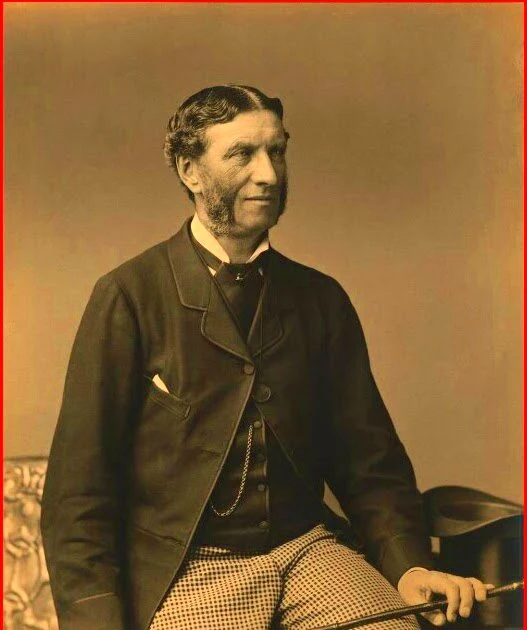
**About Matthew Arnold**
Matthew Arnold was a famous poet, critic, and thinker of the 19th century. **In addition**, he believed that poetry is essential for understanding human life and society. **As a result**, his ideas remain relevant for students studying English literature today. **At Elite Academy**, we break down Arnold’s theories so that NET, GATE, and College TRB aspirants can grasp them easily.
* * *
**Purpose of _The Study of Poetry_**
The main purpose of Arnold’s _The Study of Poetry_ is to explain the value and significance of poetry. **Moreover**, Arnold argues that poetry should teach us about human life, morality, and society. **He emphasizes** that poetry is not only an art form but also a guide for understanding truth and beauty.
**Therefore**, understanding this work is essential for students preparing for NET, GATE, and College TRB exams.
* * *
**Arnold’s Views on Poetry**
Poetry as a Criticism of Life
Arnold believes that poetry reflects human life and experiences. **In addition**, it helps us understand emotions and society.
High Standards in Poetry
He insists that poetry should meet high standards of quality and thought. **Moreover**, he stresses that great poetry should combine moral purpose with beauty.
Role in Society
According to Arnold, poetry influences culture and civilization. **As a result**, reading and studying poetry is not just academic but also practical for social understanding.
* * *