 Elite Academy EnglishENGLISH NET COACHING
<!-- imported-wordpress-article --> Learn the Age of Chaucer at Elite Academy. Explore Chaucer’s works, medieval English literature, and key storytelling techniques

The **Age of Chaucer** is a fascinating period in English literature that marks the rise of **Middle English writing**. **Geoffrey Chaucer**, often called the “Father of English literature,” played a key role in shaping this era. Therefore, understanding his works helps students appreciate the **cultural and literary developments** of the 14th century. At **Elite Academy**, students explore this era in depth through structured lessons and interactive exercises.
**Who Was Geoffrey Chaucer?**
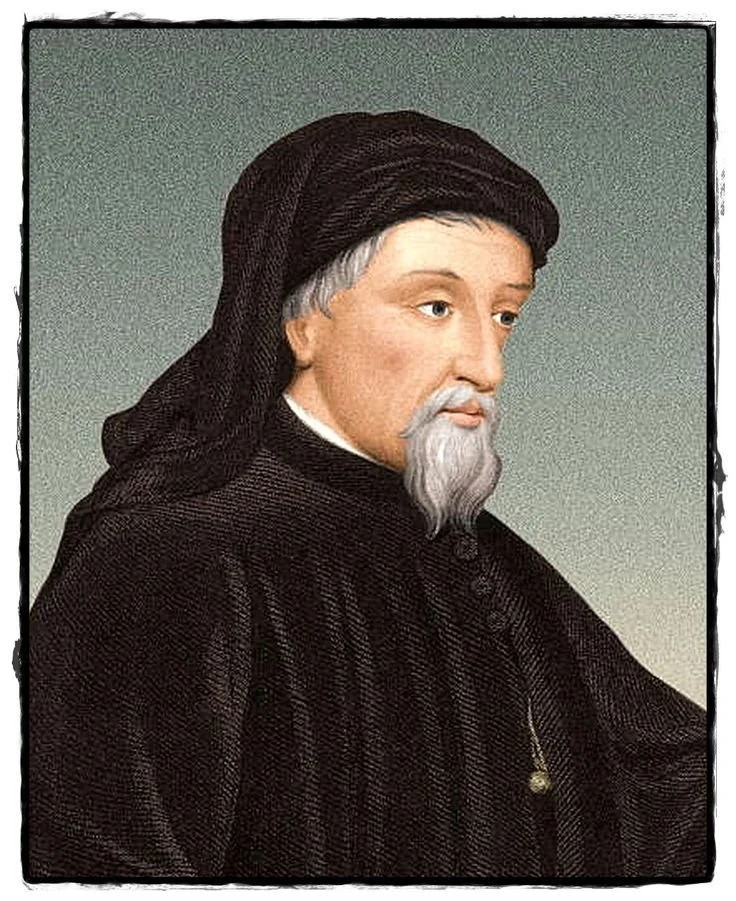
**Firstly**, Geoffrey Chaucer (c. 1343–1400) was a poet, writer, and philosopher. **Moreover**, he reflected the society, culture, and daily life of medieval England in his works. He is best known for **The Canterbury Tales**, a collection of stories told by pilgrims traveling to Canterbury. **Through these stories**, Chaucer provided both entertainment and moral lessons. As a result, his works remain timeless and widely studied today.
**Features of the Age of Chaucer**
The **Age of Chaucer** is important for several reasons. **Firstly**, it marked the transition from Old English to Middle English, making literature more accessible to the common people. **In addition**, the era showcased **diverse literary genres**, including poetry, allegories, and moral tales. **Furthermore**, the literature often reflected social hierarchy, religion, and human behavior. Consequently, readers could understand medieval life more vividly.
**Key Characteristics:**
- Use of **Middle English**, which was easier to understand - **Variety of literary forms**, such as poetry and allegories - Depiction of **daily life, social classes, and religious beliefs** - Emergence of **realistic characters and storytelling techniques**
**Importance of Studying the Age of Chaucer**
**Studying the Age of Chaucer is essential** for students and literature lovers. **Firstly**, it improves language skills by introducing the richness of Middle English. **Moreover**, it enhances critical thinking because students interpret moral lessons and social messages in the texts. **Finally**, this period lays the foundation for modern English literature. Therefore, understanding Chaucer helps students appreciate how literature evolved over centuries.
At **Elite Academy**, students follow a structured approach to learn this period. **For instance**, lessons include text analysis, comprehension exercises, and historical context, which make learning both engaging and effective.
**Popular Works of the Age of Chaucer**
**While Chaucer is the central figure**, the era also includes other significant works. **For example**:
- **The Canterbury Tales** – Stories reflecting society’s virtues, vices, and humor - **Troilus and Criseyde** – A tragic romance showing human emotions and moral dilemmas - **The Book of the Duchess** – A poetic elegy with allegorical elements
**Through these works**, Chaucer demonstrated his mastery in blending storytelling with social commentary. Consequently, he became a model for future writers.
**How Elite Academy Helps Students**
**At Elite Academy**, students not only read Chaucer’s works but also **develop analytical and interpretive skills**. **Moreover**, interactive lectures, group discussions, and practice exercises make learning enjoyable. **In addition**, students compare Chaucer’s works with modern literature to identify **timeless themes and universal lessons**. Therefore, learning at Elite Academy is both informative and inspiring.
**Conclusion**
In conclusion, the **Age of Chaucer** remains a cornerstone of English literature. **Moreover**, it showcases the richness of Middle English and the creativity of medieval writers. **Consequently**, students gain valuable insights into society, language, and storytelling techniques. **Finally**, **Elite Academy in Tirunelveli** provides structured guidance to master this important era, making learning both effective and enjoyable.